Understanding Water Restoration Costs: What Homeowners Need to Know
- gamboaconstruction0
- Apr 20
- 4 min read
Water damage can disrupt your home and life. When it happens, you want to act fast. Restoring your home after water damage requires professional help. Knowing the water restoration costs upfront helps you plan better. I will walk you through the key factors that affect these costs and what you can expect during the restoration process.
What Influences Water Restoration Costs?
Water restoration costs vary widely. Several factors determine the final price. Understanding these factors helps you avoid surprises.
Extent of Damage: The larger the affected area, the higher the cost. Water damage in a small bathroom costs less than damage in a whole basement.
Type of Water: Clean water from a broken pipe is cheaper to fix than contaminated water from sewage or floodwaters.
Time to Respond: The longer water sits, the more damage it causes. Quick action reduces costs.
Materials Affected: Water can damage drywall, flooring, furniture, and electrical systems. The more materials affected, the higher the cost.
Location of Damage: Damage in hard-to-reach areas or multiple floors increases labor costs.
Restoration vs. Replacement: Sometimes, restoration is possible. Other times, full replacement is necessary, which costs more.
These factors combine to create a unique cost for each situation. Knowing them helps you understand the estimate you receive.

Breaking Down Water Restoration Costs
Water restoration involves several steps. Each step has its own cost. Here is a breakdown:
Inspection and Assessment
Professionals inspect the damage and create a plan. This step usually costs between $200 and $600. It is essential to identify hidden damage.
Water Extraction
Removing standing water is the next step. Extraction costs depend on the volume of water and equipment used. Expect $1,000 to $3,000 for this service.
Drying and Dehumidification
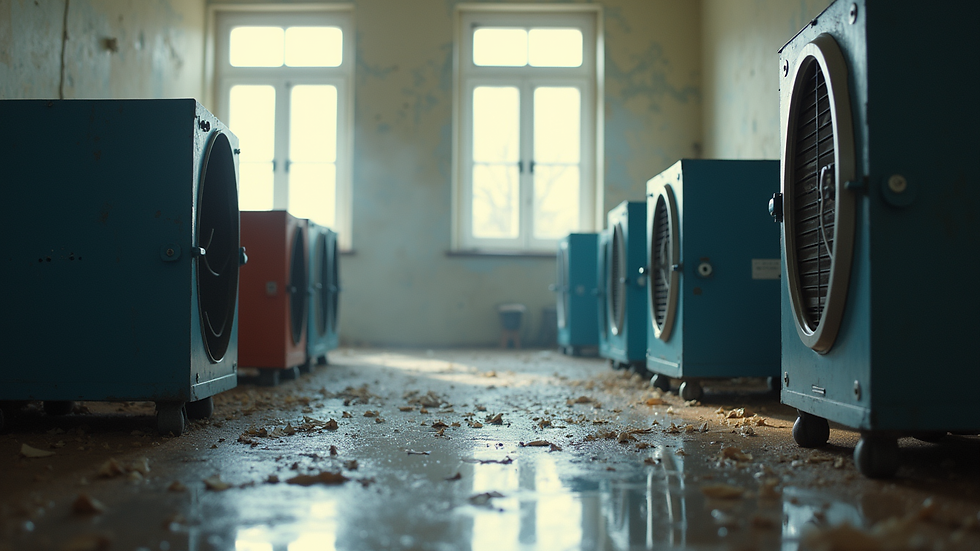
After extraction, drying the area prevents mold growth. This process can take days and requires special equipment. Costs range from $500 to $2,000.
Cleaning and Sanitizing
Cleaning removes contaminants and odors. This step is critical if the water is contaminated. It can cost $500 to $1,500.
Repairs and Restoration
Repairing damaged materials like drywall, flooring, and electrical systems varies widely. Minor repairs may cost a few hundred dollars, while major restoration can reach $10,000 or more.
Mold Remediation
If mold develops, remediation adds to the cost. Mold removal can cost $500 to $6,000 depending on severity.
Each step is necessary to fully restore your home. Skipping any can lead to further damage and higher costs later.
How much does it cost to repair water damage?
The cost to repair water damage depends on the factors and steps outlined above. On average, homeowners spend between $3,500 and $7,000 for moderate water damage restoration. Minor cases may cost under $1,000, while severe damage can exceed $15,000.
Here are some examples:
Small bathroom leak: $500 to $1,500
Basement flooding: $3,000 to $7,000
Sewage backup: $5,000 to $15,000
Major flood damage: $10,000 to $30,000+
Insurance may cover some or all of these costs depending on your policy. Always check your coverage and document damage thoroughly.
Tips to Manage Water Restoration Costs
You can take steps to control costs and speed up restoration:
Act Quickly: The sooner you start restoration, the less damage occurs. Immediate water extraction and drying reduce costs.
Hire Licensed Professionals: Experienced contractors know how to handle water damage efficiently. They prevent further issues and save money in the long run.
Document Everything: Take photos and keep receipts. This helps with insurance claims.
Prevent Future Damage: Fix leaks, improve drainage, and maintain your home to avoid repeat problems.
Get Multiple Quotes: Compare estimates from several contractors to find a fair price.
Understand Your Insurance: Know what your policy covers and what your deductible is.
Being proactive and informed helps you manage the restoration process and costs effectively.
Why Quality Matters in Water Damage Restoration
Choosing quality restoration services is critical. Poor work can lead to mold, structural damage, and health risks. I recommend focusing on:
Experience: Look for contractors with proven water damage restoration experience.
Certifications: Check for industry certifications like IICRC.
References: Ask for and check references.
Clear Estimates: Get detailed written estimates.
Guarantees: Choose companies that offer warranties on their work.
Investing in quality restoration protects your home and health. It also preserves your property value.
Planning for Water Restoration Costs
Water damage restoration is an investment in your home’s safety and value. Planning ahead helps you handle costs smoothly.
Set Aside an Emergency Fund: Unexpected water damage can happen anytime. Having funds ready reduces stress.
Review Your Insurance Annually: Make sure your coverage matches your needs.
Maintain Your Home: Regular inspections and maintenance prevent costly damage.
Understand the Restoration Process: Knowing what to expect helps you make informed decisions.
By preparing, you can face water damage with confidence and control.
Water damage restoration costs vary but understanding the process and factors helps you plan. Quick action, quality work, and proper planning reduce expenses and protect your home. For detailed information on the cost of water damage restoration, visit the linked resource. Taking control of the restoration process ensures your home returns to a safe, comfortable state.

Comments