Effective Techniques for Fire Damage Restoration
- gamboaconstruction0
- Nov 10, 2025
- 3 min read
Recovering from a fire is challenging. The damage can be extensive, and the restoration process requires careful planning and execution. I focus on practical, proven fire restoration techniques that help homeowners rebuild safely and efficiently. These methods address structural damage, smoke, soot, and water damage caused by firefighting efforts.
Understanding Fire Restoration Techniques
Fire restoration involves several key steps. Each step targets a specific type of damage. I always start with a thorough assessment of the property. This helps identify the extent of damage and prioritize tasks.
Key fire restoration techniques include:
Damage assessment: Inspecting the structure for safety and damage.
Board-up and tarping: Securing the property to prevent further damage.
Water removal: Extracting water left by firefighting.
Smoke and soot removal: Cleaning surfaces affected by smoke.
Structural repairs: Fixing or replacing damaged building materials.
Odor removal: Eliminating lingering smoke smells.
These steps form the foundation of effective fire restoration. I follow them closely to ensure a safe and complete recovery.

Securing the Property and Initial Cleanup
After a fire, the first priority is safety. I check for structural weaknesses that could cause collapse. This includes walls, ceilings, and floors. If necessary, I use board-up and tarping techniques to protect the home from weather and trespassers.
Next, I remove debris and damaged materials. This clears the way for detailed cleaning and repairs. Removing charred wood, melted plastics, and other debris reduces hazards and improves air quality.
Tips for this stage:
Wear protective gear such as gloves, masks, and goggles.
Use heavy-duty trash bags and containers for debris.
Ventilate the area to reduce smoke concentration.
Document damage with photos for insurance claims.
This initial cleanup sets the stage for deeper restoration work.
Removing Smoke, Soot, and Water Damage
Smoke and soot cause long-term damage if not handled properly. I use specialized cleaning agents and equipment to remove these residues from walls, ceilings, and contents. Dry cleaning sponges and chemical cleaners help lift soot without damaging surfaces.
Water damage from firefighting efforts requires immediate attention. Standing water promotes mold growth and weakens structures. I use pumps and industrial vacuums to extract water quickly. After water removal, I deploy dehumidifiers and fans to dry the area thoroughly.
Effective methods include:
HEPA vacuuming to capture fine soot particles.
Wet cleaning with appropriate detergents.
Thermal fogging to neutralize smoke odors.
Ozone treatment for deep odor removal.
These techniques restore air quality and prevent further damage.

Repairing Structural and Cosmetic Damage
Once cleaning is complete, I focus on repairs. Structural damage requires professional evaluation. I replace or reinforce damaged beams, drywall, and flooring. Electrical and plumbing systems also need inspection and repair.
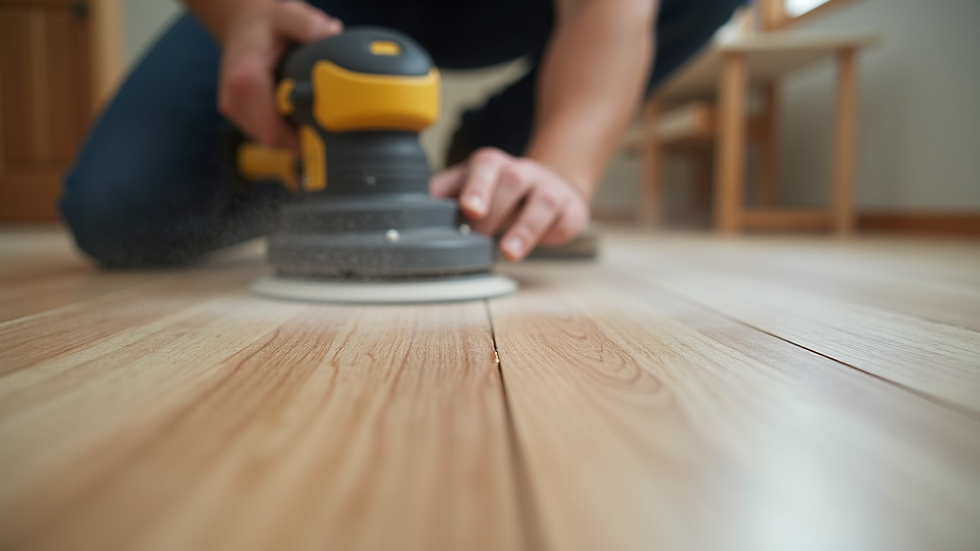
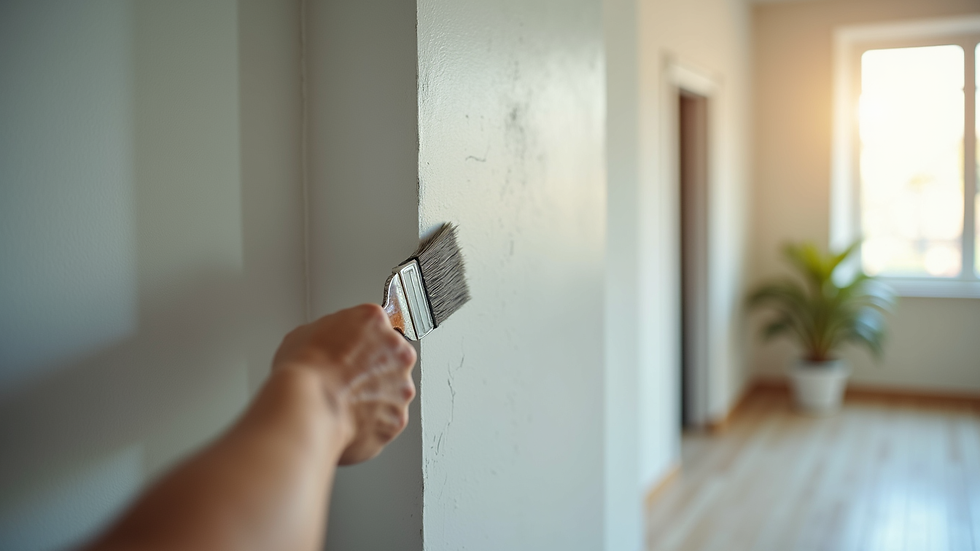
Cosmetic restoration includes repainting, refinishing surfaces, and replacing fixtures. I select fire-resistant materials when possible to improve future safety.
Steps for repair:
Consult licensed contractors for structural work.
Use fire-rated drywall and insulation.
Replace damaged windows and doors.
Repaint with smoke-sealing primers.
Restore or replace flooring materials.
This phase transforms the home from damaged to livable again.
Preventing Future Fire Damage
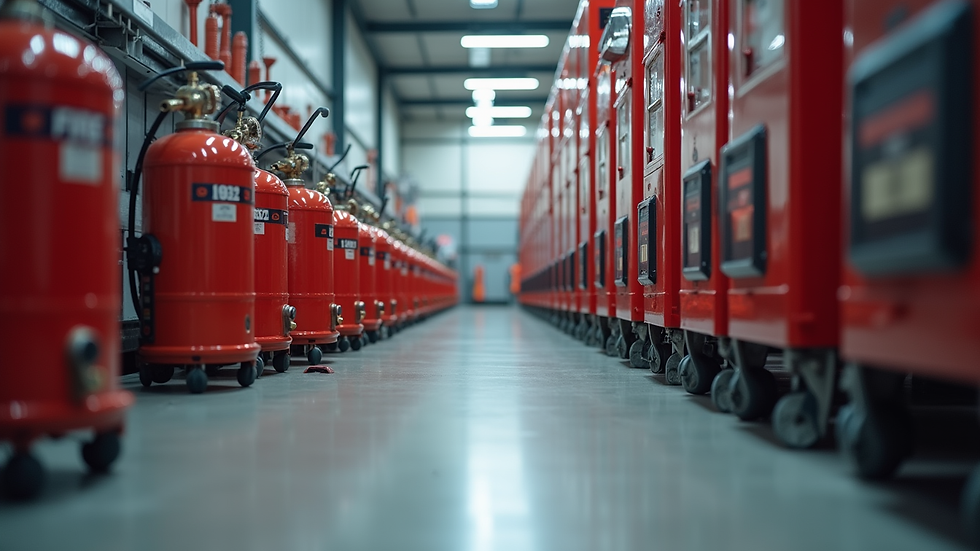
Restoration is not just about repair. I also recommend steps to reduce future fire risks. Installing smoke detectors and fire extinguishers is essential. I advise homeowners to create and practice fire escape plans.
Upgrading electrical systems and removing flammable materials near heat sources also helps. Using fire-resistant building materials during restoration adds protection.
Preventive measures include:
Installing smoke alarms on every floor.
Keeping fire extinguishers accessible.
Regularly inspecting wiring and appliances.
Clearing debris and vegetation near the home.
Using fire-retardant paints and coatings.
These actions improve safety and peace of mind.
Choosing Professional Fire Restoration Services
Fire restoration is complex. I recommend hiring experienced professionals to handle the process. They have the tools, knowledge, and certifications needed for thorough restoration.
If you need help, consider contacting fire damage restoration experts. They provide comprehensive services from assessment to final repairs. Working with trusted contractors ensures quality and compliance with local codes.
Benefits of professional services:
Faster, safer restoration.
Access to specialized equipment.
Proper handling of hazardous materials.
Assistance with insurance claims.
Guaranteed workmanship.
Professional help makes the restoration process smoother and more effective.
Moving Forward After Fire Damage
Restoring a home after fire damage requires patience and careful planning. I focus on clear steps and proven techniques to rebuild safely. From securing the property to final repairs, each phase is critical.
By following these fire restoration techniques, homeowners can recover their living spaces and protect their investment. Taking preventive measures reduces the risk of future fires. When in doubt, rely on professional services to guide the process.
Restoration is a journey. With the right approach, it leads to a renewed, safe home ready for the future.
Comments